How to Choose the Right Pickleball Paddle [A Beginner's Guide]
Are you a pickleball enthusiast looking for the perfect paddle to take your game to the next level? Well, look no further! In this article, I'm going to show you exactly how to choose the best pickleball paddle for your style of play. From size to shape to weight, you'll learn the ins and outs of choosing the perfect paddle to help you dominate the court. So, get ready to take your pickleball game to the next level and let's get started!.
How to Choose Pickleball Paddles?
Choosing the correct pickleball paddle can be challenging because there are so many variables to consider, such as grip size, weight, and core material. The easiest approach to choose a paddle is to test them out, as varied weights and grip sizes will alter your playing style. It is critical to pick a paddle that is within your strength level and avoid paddles that are excessively heavy. Tennis-style grips are also recommended for pickleball paddles. Most players are drawn to midweight paddles (roughly 7.3 to 8.4 oz), although lightweight paddles (under about 7.3 oz) may suit players who want maneuverability or have arm or wrist concerns. It is also critical to ensure that the player prefers the feel of the paddle.
Essential Factors to Consider When Choosing a Pickleball Paddle
Choosing the right pickleball paddle can be a daunting task! You want to make sure you pick the right one for your playing style and skill level. Here are a few essential factors to consider when choosing the best pickleball paddle for you:
Weight:
Pickleball paddles come in a range of weights, from light to heavy. Light paddles are great for players who need more maneuverability, while heavier paddles are better for power players.
Grip Size:
Find a paddle that fits comfortably in your hand. If the grip is too small or too big, it can throw off your game.
Material:
Pickleball paddles are usually made of either graphite, composite, or wood. Graphite (carbon fiber) paddles are stiff and known for control and touch, while fiberglass composite paddles tend to offer more pop and power. Wood paddles are the heaviest and least expensive, with less power and a small sweet spot.
Price:
Of course, the price of the paddle is an important factor to consider. You don't have to break the bank to find a good paddle, but don't skimp on quality either! So there you have it - four essential factors to consider when choosing the right pickleball paddle for you! Can you think of any others? Let us know in the comments below!
Understanding the Different Types of Pickleball Paddles
Pickleball paddles come in a variety of shapes and sizes, and each offers its own unique benefits. So, how do you know which paddle is best for your game? Here's a quick overview of the different types of paddles, so you can make an informed decision!
Composite Paddles:
These paddles usually have a polymer honeycomb core with fiberglass or other composite faces, and offer a good balance of power and control. They usually have a larger sweet spot than wood paddles, making them great for beginners.
Wood Paddles:
These paddles are often made from plywood such as maple, birch or basswood, and are usually heavier than modern composite paddles. They are cheap and durable but have a smaller sweet spot and less feel, so most players move on to composite or graphite paddles.
Graphite/Carbon Fiber Paddles:
These paddles have graphite or carbon fiber faces, which are stiff and give a combination of control, touch and (depending on the core) power. They tend to be more expensive than other types of paddles, but are popular with intermediate and advanced players.
So, when it comes to choosing the right pickleball paddle for your game, it's important to consider your skill level, budget, and playing style. No matter which type of paddle you choose, you'll be sure to have plenty of fun playing pickleball!

Evaluating the Different Materials Used in Pickleball Paddles
When it comes to pickleball paddles, one of the most important decisions you can make is what material you want the paddle to be made of. While there are a few major materials used to make paddles, each one has its own pros and cons.
Aluminum:
Aluminum face paddles (usually with an aluminum face over a honeycomb core) are lightweight and inexpensive, but they can dent and are less popular today.
Graphite:
Graphite/carbon fiber faces are lightweight and stiff, with a precise feel. They are popular with competitive players and usually cost more.
Composite:
Fiberglass composite faces offer good power and are common at beginner and mid-range prices. Durability varies by build quality.
So, which material should you choose? It really depends on your budget and your playing style. If you want a precise, stiff feel, look at graphite/carbon fiber. If you want easy power at a lower price, look at fiberglass composite. An aluminum or wood paddle is mainly for casual play on a tight budget. No matter what material you choose, you're sure to find a paddle that fits your needs and your budget!
Understanding the Different Shapes and Sizes of Pickleball Paddles
Pickleball paddles come in a variety of shapes and sizes. There's something for everyone, whether you're a beginner or an advanced player. When it comes to pickleball paddles, size matters. A larger face will provide a bigger sweet spot and more forgiveness, while a smaller or more elongated paddle can offer more reach or maneuverability. It's important to find a paddle size that's comfortable for your height and arm length.
But shape is just as important as size! Wide-body paddles are the most common shape and give the largest sweet spot and the most forgiveness, which suits beginners. Elongated paddles are narrower and longer, offering extra reach and often more spin and power but a smaller sweet spot. Rounded and teardrop shapes sit in between, with a sweet spot closer to the center. Under USA Pickleball rules the paddle's length plus width may not exceed 24 inches, and its length may not exceed 17 inches.
You'll also need to consider the paddle's grip size - a larger grip can help you hold the paddle steady and reduce strain, while a smaller grip allows more wrist action. Choose what feels comfortable.
So, what's the right size and shape for you? Experiment with different paddles to find the one that fits you best!

Finding the Right Weight and Balance for Your Pickleball Paddle
Choosing the right pickleball paddle is essential for improving your game. The weight and balance of a paddle can make all the difference! Here are some tips for finding the right pickleball paddle for you.
Weight:
Start by selecting a paddle that is comfortable to hold. You don't want it to be too heavy or too light. Most adult paddles weigh between about 7 and 9 ounces, and midweight paddles are a good starting point.
Balance:
When it comes to balance, the most important thing to consider is the head-weight of the paddle. Choose a paddle with a head-weight that is comfortable for you to control. If you're just starting out, try different paddles to get a feel for what's best for you.
Grip Size:
Another important factor to consider is the size of the grip. You should be able to wrap your hand comfortably around the grip without your fingers hanging off the end. The right grip size for pickleball paddles is typically measured at the middle of the handle and ranges from about 4 to 4.5 inches[1]. There are two commonly used methods to select a grip size: using a known tennis racquet grip size [2] or measuring your hand from the tip of your ring finger to the middle crease of your palm.
Finding the right weight and balance for your pickleball paddle can make a huge difference in your game. So don't be afraid to experiment with different models until you find the perfect fit!
Comparing the Different Grips and Handles of Pickleball Paddles
When it comes to pickleball paddles, there are lots of options out there, and understanding the different grips and handle styles can help you find the perfect paddle for your game!
Grip Shape:
Most paddle handles are slightly rounded or octagonal, similar to a tennis racquet handle, and some handles are tapered. The best shape is the one that is comfortable in your hand.
Grip Size:
Most adult paddles come in a few grip sizes, roughly 4 to 4.5 inches around, and many players pad the grip with an overgrip to adjust the size.
Grip Material:
Most grips are made from synthetic leather or similar material over a cushioned layer; choose one with a tacky or absorbent feel that suits you. Which grip and handle style is right for you? Try out a few different paddles to find the one that fits your game!
Exploring the Different Pickleball Paddle Edge Protection Options
Pickleball paddles come in all shapes and sizes, but one of the most important features of a paddle is the edge protection. Edge protection helps prevent the paddle from chipping or cracking over time, and many paddles come with an edge guard already attached.
So, what are the different edge protection options available?
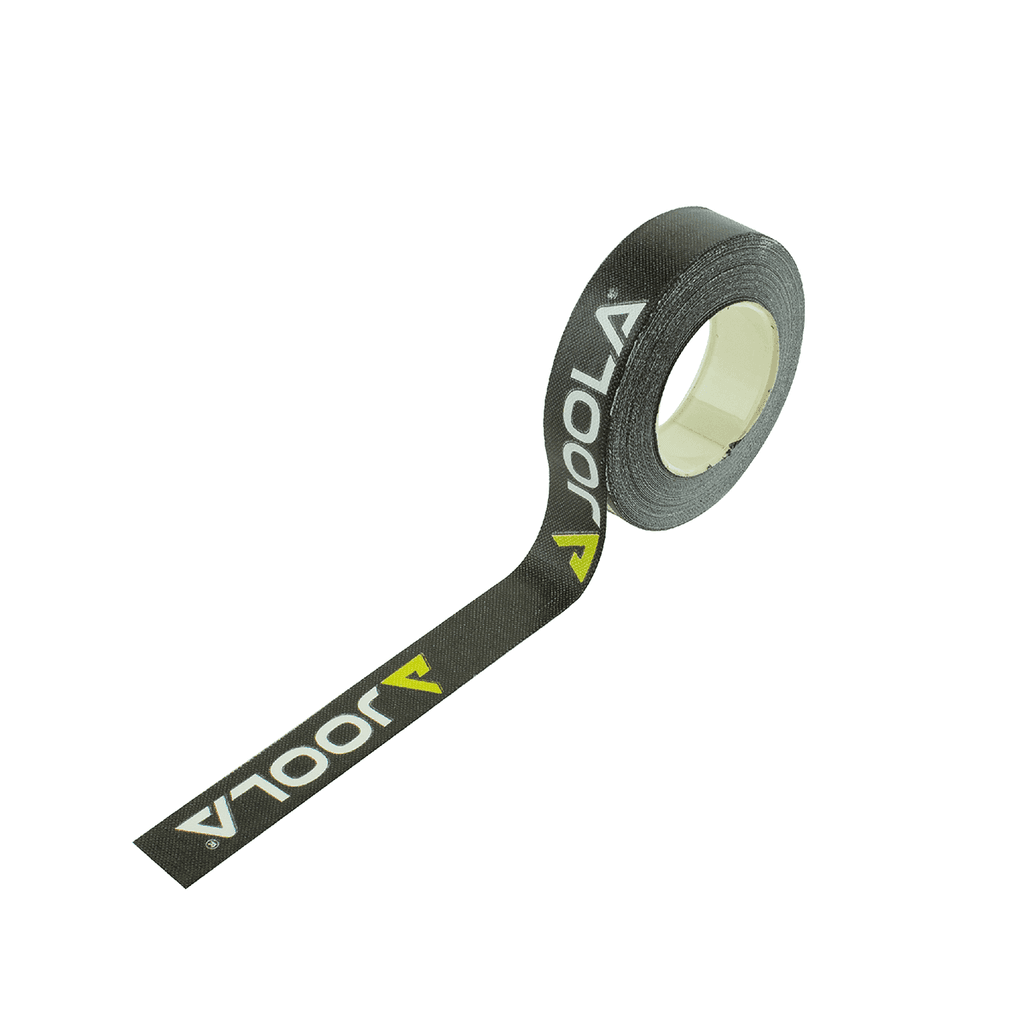
Edge Tape:
Edge tape is a light and inexpensive way to protect the edges of the paddle from chips and scrapes. It adds only a little weight.
Edge Guard:
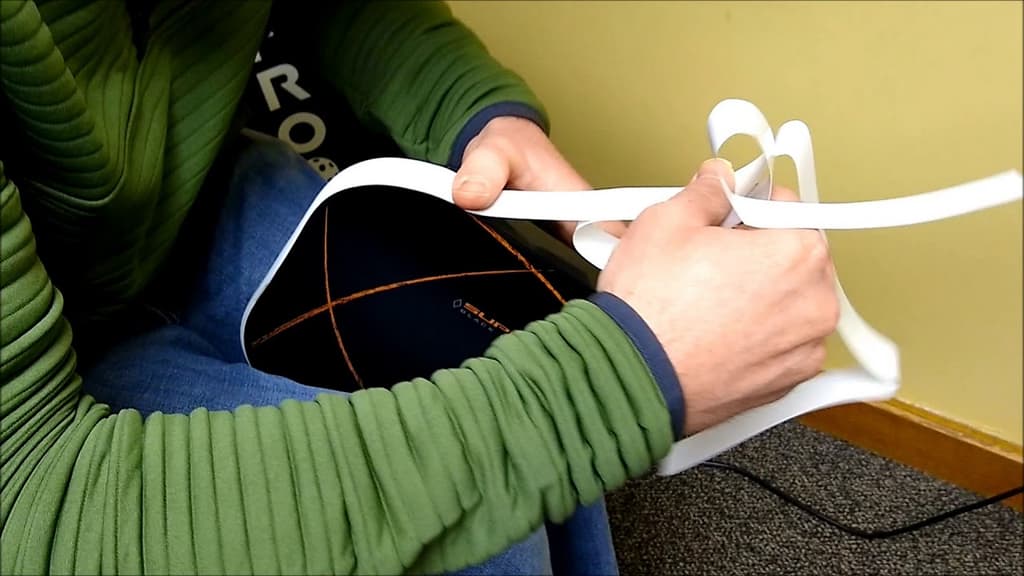
Edge guards are made of a rubber or plastic material and are designed to protect the edges of the paddle from chipping or cracking. They add some weight, so the paddle may feel slightly different.
Edge Caps:
Edge caps are made of plastic and are designed to fit over the edges of the paddle. They protect against chips and scrapes. No matter what edge protection option you choose, make sure it fits the needs of your game!
Do you need maximum protection, or are you looking for something lightweight? What kind of shots do you like to play? With so many options available, there's sure to be something that works for you!
Determining the Best Pickleball Paddle for Your Skill Level
Determining the Best Pickleball Paddle for Your Skill Level
Are you a pickleball novice trying to figure out which paddle is best for your skill level? Here are a few tips to help you make an informed decision:
The best type of pickleball paddle for a novice is one with a classic or wide-body shape. This shape offers a large, forgiving sweet spot, making it easier for beginners to learn the game. A light to midweight paddle (roughly 7.0 to 8.0 oz) lets most players move naturally and keep control. Additionally, the core material should be polymer, as this is durable, quiet, and offers a good balance of power and touch.
Look for a paddle that's lightweight and has a medium-sized head. A lighter paddle will help you improve your control and accuracy, and the mid-sized head will give you a good balance of power and maneuverability.
Advanced pickleball players should look for paddles that offer excellent accuracy, power, and control
For an advanced player there are alot more factors that go into choosing a paddle such as personal preference and playstyle.
One paddle used by professional players is the JOOLA Ben Johns Hyperion CFS 16, a carbon fiber paddle that is endorsed by Ben Johns. Pros change gear often, so check current models
Pros and Cons of Popular Pickleball Paddle Brands
It can be tricky to decide which pickleball paddle to buy. With so many popular brands, it can be hard to know which one is the best for you. That's why it's important to understand the pros and cons of each brand. Here are a few well-known brands (this is not a ranking, and feel varies a lot by model):
Selkirk:
Pros: Selkirk makes a wide range of paddles popular with all levels, including models designed for spin and power.
Cons: Premium models can be expensive.
Engage:
Pros: Engage makes a range of paddles, including power-oriented models popular with experienced players.
Cons: Some models are pricey and may not suit every beginner.
Paddletek:
Pros: Paddletek is one of the longer-established paddle brands and offers a wide range of models.
Cons: Weight and feel vary by model, so check the specs.
Typical Price Ranges
Prices vary by brand and model, but as a rough guide, basic beginner paddles often cost about $30 to $80, mid-range paddles about $80 to $150, and premium carbon fiber paddles about $150 to $250 or more.
Where to Buy Pickleball Paddles and Accessories
Shopping for pickleball gear can be overwhelming, so where do you start? Well, if you're reading this post, then you've already taken a great first step! Here are some of the best places to get all the pickleball gear you need:
Online retailers: Amazon, Walmart, and Dick's Sporting Goods are all great places to check out for paddles and accessories.
Local stores: Your local sporting goods store or pickleball club should have a selection of paddles and accessories.
Pro shops: If you're looking for something a bit more specialized, pro shops will have the top-of-the-line equipment.
No matter where you decide to shop, be sure to do your research and read reviews to make sure you're getting the best quality for your money!
Conclusion
Choosing the right pickleball paddle can be a daunting task, but it doesn't have to be. By understanding the different types of paddles and the features that make them unique, you can make an informed decision and find a paddle that fits your needs and playing style. Consider the weight, grip size, material, and surface texture when making your decision. With the right pickleball paddle, you'll be ready to take your game to the next level.