What Are The Rules When the Ball Hits You During a Pickleball Game?
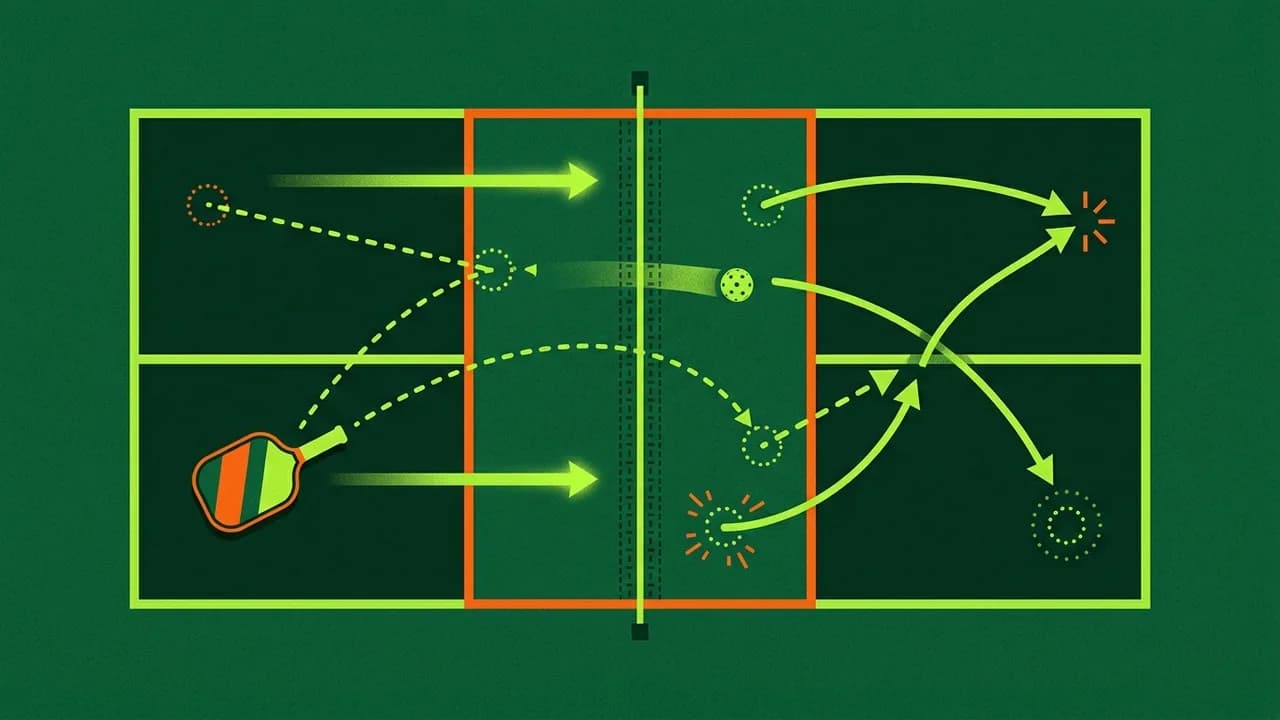
Pickleball is an active and enjoyable game, but sometimes the ball hits you. In this situation, it can be unclear what happens next. Here is what the rules say.
What Happens If The Ball Hits You?
If a ball in play hits you, it is a fault against you, and the rally ends. This is true even if the ball only grazes your hair or clothing, and it is true wherever you are standing. Even if you are well outside the court and the ball would have landed out, if it touches you (or anything you are wearing or carrying) before it bounces, it is a fault on you. The one exception is your paddle: the ball may contact your paddle or the hand holding your paddle below the wrist without penalty.
What Happens After The Fault?
When you are hit by the ball, you lose the rally. In traditional side-out scoring, if your team was serving, you lose the serve (or your partner serves next in doubles, or the serve passes to the other team). If your team was receiving, the other team scores a point. In rally scoring, the other team scores a point either way.
Hitting the ball twice in a row is also a fault, as is hitting the ball with the hand above the wrist on your paddle hand.
What Is A Let?
A let in pickleball is a replay of the rally. Under current USA Pickleball rules, lets are called for outside interference, such as a ball rolling onto the court from another court, or a person or object entering the playing area during a rally. A serve that touches the net and lands in the correct service court is no longer a let; it is a good serve and play continues. Any player may stop play to call a let when there is outside interference. A let is not a way to ask for a replay because you were distracted by your opponents.
Safety And Courtesy
Players should avoid hitting the ball at an opponent's head or body in a way that could cause an injury, and should always play with good sportsmanship. Many players wear eye protection, and you can reduce the risk of getting hit in the face by keeping your paddle up in ready position.
You Make the Call!
What's the call in this scenario? You attempt a volley, but the ball hits your paddle hand just above your wrist and goes over the net. Who wins the rally?
Answer: the ball contacted your hand above the wrist, so it is a fault on you, even though the ball went over the net. Contact with the paddle hand below the wrist, however, is treated as contact with the paddle and is legal. So keep your hands safe and stay ready.